Evaluating Mom Life Built Proud for Real Embroidery Projects
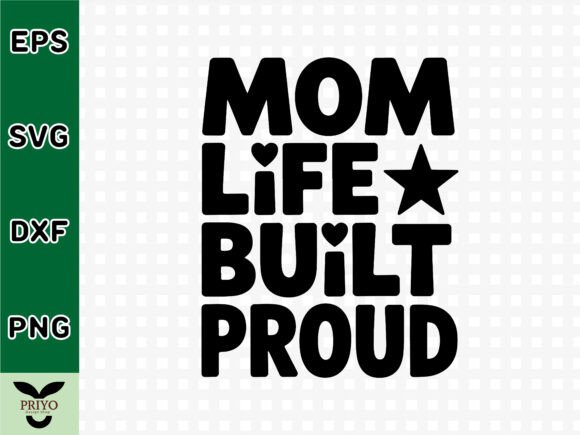
When you download an embroidery file, it’s more than just a graphic; it’s a potential product, a gift, a piece of your brand. As a designer who stitches for clients and my own small shop, I look at every design with a practical eye. Today, I’m thinking through the Mom Life Built Proud T-shirt Design SVG from the perspective of putting needle and thread to fabric. Let’s walk through what this design offers and where it truly shines in a maker’s workflow.
The Immediate Mood and Visual Personality
Opening this file, the first impression is one of celebratory warmth. The phrase “Mom Life Built Proud” carries a confident, affectionate tone, perfect for honoring motherhood. The layout feels balanced, with a strong central theme that’s neither overly delicate nor aggressively bold. This visual personality suggests it belongs on items meant to be worn, displayed, or gifted—products that tell a story. As a graphic, it translates well into the structured world of embroidery, where shapes need clear definition to become beautiful stitches.
Where This Design Naturally Belongs in Your Project Queue
I immediately picture this on a cozy, high-quality sweatshirt. It’s a statement piece. But its versatility, hinted at in its description, opens many doors. For my last craft fair, I needed reliable designs that could adapt to different products. Here’s where I’d realistically use Mom Life Built Proud:
- Custom Apparel: Obviously, t-shirts and sweatshirts are prime candidates. The design’s scale feels right for a left chest placement or a centered motif on a ladies’ tee.
- Giftable Home Goods: Embroidered onto a tea towel or a pillow cover for a nursery, it becomes a heartfelt keepsake. The theme resonates with personalized gifts.
- Small Shop Merchandise: For an Etsy seller focusing on mom-and-baby products, this could be a core design for tote bags or baby bibs, adding value through its emotional connection.
- Embroidered Patches: This design could be stitched as a standalone patch to apply to backpacks or aprons, offering flexibility.
- Holiday & Celebration Items: Think Mother’s Day gifts, baby shower presents, or even a celebratory cap for a mom. It’s geared toward meaningful occasions.
The key is matching the design’s affirming message with a product that carries the same intent.
Performance in Real-Life Stitching Situations
Moving from idea to hoop, how does Mom Life Built Proud perform? Let’s consider a specific scenario: preparing a custom embroidered tote bag for a client’s Mother’s Day gift bundle. You’ve chosen a natural canvas bag.
Your primary concern will be stitch density and detail level. The design’s lettering and compositional elements need to translate into clean satin stitches or fill stitches without becoming too dense for the fabric. On a textured fabric like canvas, a design with overly intricate small details might get lost. The balanced layout here suggests it should fare well, provided the embroidery file has been optimized for machine embroidery. You’ll want to test it on a scrap of the same canvas first to check thread color contrast and clarity.
On smoother fabrics like cotton tees or baby clothes, the visual appeal will be sharper. For darker fabrics, you’ll need to plan your thread palette—perhaps a bright, uplifting color scheme to ensure the message pops and maintains that handmade presentation quality that builds customer trust.
Careful Considerations for Specific Applications
Not every project is ideal. Here’s where I’d advise caution:
- Very Small Hoop Sizes: If you try to miniaturize this design for a tiny item, like a delicate corner of a handkerchief, the lettering might lose its clarity. It’s likely best at a moderate to larger scale.
- Highly Stretchy or Thin Fabrics: A lightweight jersey or a silky blanket might require extra stabilizer and careful attention to the design’s density to prevent puckering.
- Curved Surfaces Like Caps: The design’s layout might need adjustment to fit the curved plane of a cap front without distortion. Testing is essential.
- Products for Frequent Washing: For items like kitchen towels or everyday apparel, ensure your stitch structure is robust enough to withstand wear, reinforcing any potentially delicate decorative accents.
These aren’t flaws of the design; they’re just the realistic constraints any embroidery designer works with.
The Impact on Product Value and Customer Engagement
When you stitch this onto a finished product, what does it add? Beyond the obvious theme, it contributes to brand consistency for a maker focused on family-oriented products. It feels professional and intentional. A well-embroidered “Mom Life Built Proud” sweatshirt doesn’t look hastily made; it looks like a considered, quality gift.
This boosts giftability and recognition. A customer browsing your Etsy listings or a craft fair booth connects with the sentiment instantly. For commercial embroidery projects, like a small batch for a local boutique, the design offers a clear, marketable message that engages buyers emotionally. It turns a simple garment into a conversation piece.
Practical Notes from the Embroidery Desk
Before you commit this design to a client’s order or your new product line, here’s my standard review checklist:
- Always test on scrap fabric first. Use the exact material and stabilizer you plan for the final product. Check for any issues with tiny lettering or dense areas.
- Review it in both black and white mockups. This helps visualize how it will look on light and dark fabric backgrounds, aiding in thread color selection.
- Confirm the hoop size needed. While the product details don’t specify exact sizes, you must ensure your machine and hoop can accommodate the design at your desired scale.
- Check thread color contrast. Plan a palette that complements the fabric and enhances the design’s mood—brights for joy, soft tones for subtlety.
- Verify licensing for your use. This is crucial. Before selling finished items or using it in commercial embroidery, confirm the license terms of this digital embroidery file. It protects your craft business.
Remember, an SVG file is a vector graphic, fantastic for scaling, but its success as an machine embroidery design depends on how it’s been converted and digitized for stitching. If this file is provided as a true embroidery file (like .PES or .DST), then the digitizer’s skill is already embedded. If it’s an SVG for you to digitize, that’s a separate process requiring your expertise.
A Design Built for Pride, in Practice
In the end, the Mom Life Built Proud T-shirt Design SVG stands as a strong, sentiment-driven graphic with clear application in the handmade product world. Its value lies in its resonant theme and adaptable layout. For the embroidery designer, small business owner, or crafter, it represents a reliable asset for projects where emotion and quality intersect. By applying practical judgment—testing, adjusting, and matching it to the right product—you can transform this digital design into a stitched reality that truly makes a mom, or a customer, feel proud. That’s the real goal of any embroidery project.