A Design Review for Your Black History Month Embroidery Projects
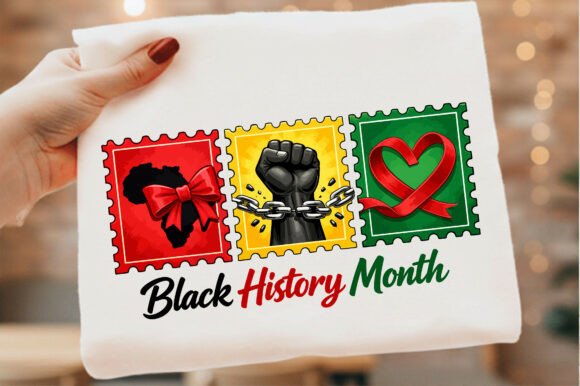
I’ve been designing and embroidering for years, both for my own shop and for client commissions. When I’m looking at a new digital file, especially one for a meaningful theme like Black History Month, my first thought isn’t about the download process. It’s about how it will look, feel, and perform once it’s stitched out. Let’s talk about the Black History Month SVG, Black History design from that practical, in-the-hoop perspective.
The Immediate Mood: Bold, Clean, and Reverent
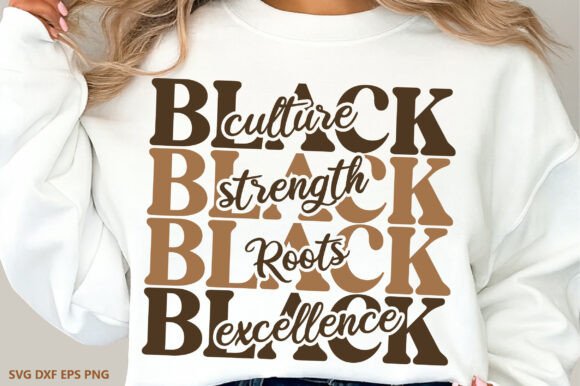
The first impression this design gives me is one of quiet strength. It’s a graphic with clear, purposeful shapes and a layout that feels balanced. It avoids being overly ornate, which is a huge plus for machine embroidery. When I imagine it translated into stitches, I see a design that creates a mood of recognition and celebration without shouting. This visual personality makes it a versatile candidate. It’s dignified enough for a custom apparel item meant for a ceremony or event, yet approachable enough for a cozy, everyday sweatshirt embroidery or a tote bag design. The detail level appears manageable; there aren’t any impossibly tiny corners that would turn into a muddle of thread.
Where This Design Finds Its Natural Home
I immediately pictured this on a heavyweight cotton tote bag. A client might order one as a gift for a teacher or community leader. The clean lines would stitch up beautifully on that fabric, and the tote’s scale allows the design to be appreciated. Another natural fit is the center chest of a sweatshirt or hoodie. It feels like a design someone would wear proudly, not just during February, but year-round as a statement of identity and heritage. For baby embroidery, perhaps on a blanket or a special keepsake outfit, the design’s clarity would make it a cherished personalized gift. It also has the look of a design that could become a simple, impactful embroidered patch, applied to a backpack or jacket.
Performance in Real Embroidery Situations
This is where theory meets the machine. For a design like Black History Month SVG, Black History, its performance hinges on interpretation. As a graphics file intended for cutting machines, its success in embroidery depends entirely on how you digitize it. On medium-weight, stable fabrics like quilting cotton for pillow covers, canvas for totes, or fleece for blankets, it should stitch out with excellent clarity. The potential for crisp satin stitch borders or solid fill stitch areas is high, creating a polished finished product.
It would shine in craft business applications like Etsy listings for custom tea towels or small shop products like aprons. In commercial embroidery, for instance on uniforms or team apparel for a cultural organization, it would convey professionalism. Using it in printable mockups for your digital shop or as part of your own brand consistency on shop uniforms could also be very effective.
Careful Application: The Designer’s Notes
Not every project is ideal. Here’s my realistic take on where you might proceed with caution. The design’s success will depend on the digitized version’s stitch density.
- Small hoop sizes: If you try to shrink it too much for a baby item’s small sleeve or a cap’s curved front, small lettering or intricate shapes could lose definition. Test it first.
- Textured or stretchy fabric: On a slub knit or activewear fabric, details can blur. A good stabilizer is non-negotiable here.
- Dark fabric: This is about thread choice. If the design uses a lot of negative space or fine lines, you’ll need excellent thread color contrast against dark backgrounds to maintain its impact.
- Products needing frequent washing: For kitchen towels or everyday wear, a digitized version with overly dense fills might feel stiff or wear differently. A lighter stitch approach might be better.
Impact on Appeal, Value, and Trust
When you stitch this design well, it does more than decorate a product. It elevates it. The visual appeal comes from its thematic resonance and execution quality. A clean, well-stitched version on a sweatshirt increases the perceived product value—it looks intentional and worthy of the theme it represents. For a customer, that builds customer trust in your craftsmanship.
The handmade presentation becomes more meaningful. A gift like an embroidered pillow cover with this design feels considered and personal. For creative entrepreneurs, selling such items during Black History Month, or anytime, shows cultural awareness and can deepen buyer engagement. It’s not just a generic graphic; it’s a specific, respectful design choice.
Your Pre-Hoop Checklist
Before you load this file into your embroidery software and hit start, here’s my routine advice. Treat it as a new embroidery project, regardless of its source.
- Test on scrap fabric first. Use the same material and weight as your final project. This reveals everything: tension issues, detail clarity, and stitch density feel.
- Check thread color contrast thoroughly. Run the design in both white and black thread on your scraps to see how it holds up on light and dark fabric backgrounds.
- Review the digitized details. Inspect any small corners or potential satin stitch bridges. Are they practical for your chosen hoop size?
- Confirm licensing before selling. The product description mentions it’s an instant download file. You must verify the license terms yourself to ensure it’s cleared for personal and commercial projects, especially if you’re an Etsy seller or digital product seller.
- Use proper stabilizer. Match it to your fabric. This is the unsung hero of stitching clarity.
Remember, the Black History Month SVG, Black History design starts as a graphic. Its journey to becoming a beautiful embroidery file is in your hands. Your digitizing choices—the stitch types, the underlay, the pull compensation—will determine its final character on that tote bag, sweatshirt, or personalized gift. Approach it with the same respect the theme deserves, and you’ll create finished products that carry both beauty and meaning.