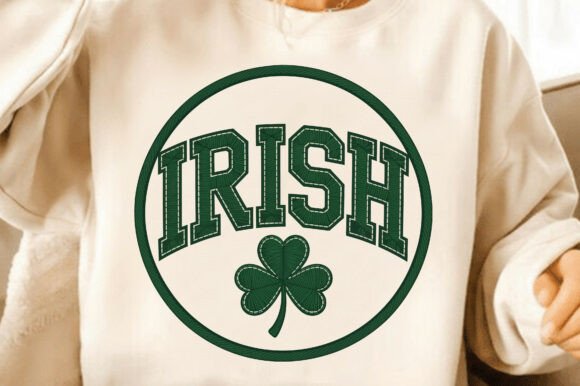
A Practical Look at the Irish Lucky St Patrick's Day Design
As someone who has embroidered countless holiday designs for clients and my own small shop, I always approach a new file with a critical, practical eye. The goal isn't just to admire the artwork on screen; it’s to envision how it will actually look after stitching, how it will feel on fabric, and what kind of project it truly belongs to. Today, I’m evaluating the Irish Lucky St Patrick's Day PNG SVG bundle from that exact perspective.
First Impressions: A Design Built for Celebration
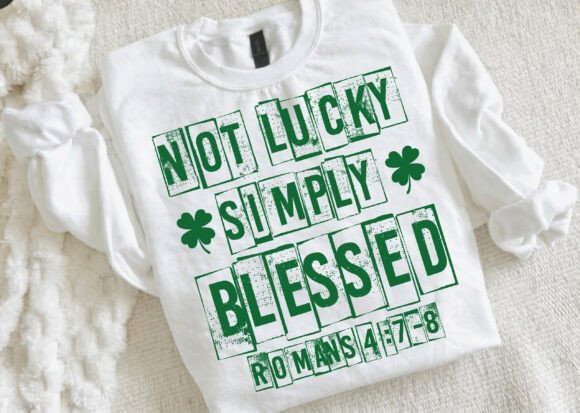
The moment I opened the design, the mood was clear: festive, approachable, and full of classic Irish charm. The layout isn’t overly complex, which is a huge advantage for embroidery. The shapes are distinct, the lettering is bold, and the details like the shamrocks and harp have a friendly, illustrative personality. This isn’t a hyper-detailed, finicky design; it’s a graphic that feels destined for a cheerful, handmade product. My mind immediately went to a custom embroidered tote bag for a St. Patrick’s Day market stall or a cozy sweatshirt for a holiday gift.
Where This Design Finds Its Perfect Home
In real-life embroidery situations, this design’s strength is its versatility within the holiday niche. The provided file formats—especially the vector EPS, AI, and SVG—mean you can scale it without losing quality, which is crucial. I’d confidently use this for:
- Apparel: Think beyond just t-shirts. It would sing on a heavyweight sweatshirt or a cotton cap, where the bold elements can really anchor the garment.
- Home Goods & Gifts: A tea towel with this embroidered near the hem, or a pillow cover for a festive couch accent, makes for a wonderful handmade holiday product.
- Small Business Merchandise: For Etsy sellers or craft fair vendors, this design is ready for patches, aprons, or even baby bibs (with some adaptation) to create a cohesive seasonal line.
- Digital Product Previews: The high-resolution PNG files are perfect for creating clean, professional mockups to list in your shop.
The design’s theme is specific, but that’s its power. It creates immediate recognition and taps into a clear, seasonal demand.
Navigating the Practical Stitching Considerations
Even with a seemingly straightforward design, an experienced embroiderer thinks ahead. Here’s how I’d approach using this file in a real project, like preparing an embroidered canvas tote bag for a client.
First, the detail level is manageable. The shamrock outlines and lettering aren’t overly tiny, which suggests they’ll stitch out with good clarity without requiring a microscopic hoop. However, on very small items—like a delicate baby item or a tiny patch—I would still recommend testing. Some of the decorative accents might condense into a dense stitch area if scaled down too far.
Second, fabric choice matters. This design, with its solid shapes and text, would look fantastic on stable, medium-textured fabrics like cotton canvas, twill, or standard fleece. On thinner or stretchy fabrics, a good stabilizer will be non-negotiable to prevent puckering, especially around the fill areas of the harp or hat. For dark fabric backgrounds, you’ll need to think about thread color contrast—a bright white or green satin stitch will need to pop effectively.
Third, consider the application surface. On a curved surface like a cap, the symmetrical, central layout of this design would work well. The key would be ensuring the digitization (which we infer from the vector files) has appropriate stitch density so it doesn’t feel stiff on a curved bill.
Enhancing Value and Professionalism in Finished Products
Using a clean, well-structured design like this directly impacts your finished product’s appeal. For a crafter or small business owner, it elevates the work. The crisp lines translate to stitching clarity, which builds customer trust—they see a professional, intentional handmade item, not a blurry or poorly defined graphic. This is crucial for giftability and brand consistency. If you’re selling a line of holiday items, using a design with this level of visual coherence makes your whole collection feel more thoughtful and engaging.
Essential Designer Notes Before You Hoop the Fabric
Before running this embroidery file on your final product, a few practical steps are always wise. They save time, thread, and potential disappointment.
- Test on Scrap Fabric First. Use the same material and stabilizer you plan for the final project. This reveals how the stitch density behaves and if any small details, like the tiny curves in the shamrocks, need adjustment.
- Check Thread Color Contrast. Run a small section, or even create a simple black-and-white mockup on screen, to visualize how the elements separate on both light and dark backgrounds.
- Confirm Your Hoop Size. The design’s dimensions as provided in the PNG description suggest a fairly large graphic. Ensure your machine hoop can accommodate the size you intend to stitch.
- Review the License. The product is listed under Graphics and T-Shirt Designs. Before selling finished items or using it in commercial embroidery projects, always confirm the licensing terms to ensure your use is covered.
- Consider the End Product’s Life. If you’re embroidering a kitchen towel or a child’s item that will need frequent washing, think about stitch types. A solid fill stitch on the harp, for example, should hold up well, but testing durability on your scrap piece is a good idea.
Ultimately, the Irish Lucky St Patrick's Day design bundle presents a solid, festive foundation. It’s not just a digital asset; it’s a potential centerpiece for a range of holiday-themed embroidery projects. By approaching it with this practical mindset—thinking about fabric, scale, and final use—you can transform those PNG and SVG files into beautiful, durable, and genuinely appealing handmade products that capture the spirit of the season.